
Private Project
MojAI — AI-Native Development Platform
AI-Native Multi-Project Development Workspace
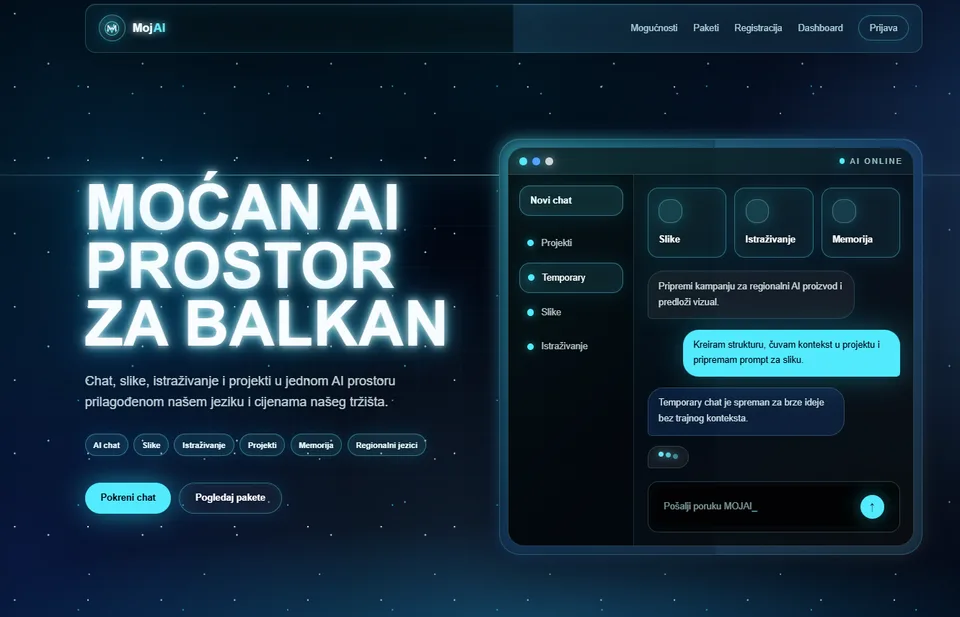
Overview
MojAI is a private AI-native workspace designed to organize projects, conversations and AI-assisted software workflows.
Problem
AI-assisted development can become fragmented when projects, conversations, settings and implementation context are spread across separate tools.
Implemented solution
The platform centralizes project creation, conversation management, protected dashboards and AI chat routing in a session-aware web application.
Key features
Target users / audience
Business value
My role
AI-native development workflow
- 01
Requirements are converted into structured implementation tasks.
- 02
Codex and AI tools are used for code generation, investigation and refactoring.
- 03
Major tasks follow a READ → BACKUP → PATCH → VERIFY → TEST discipline.
- 04
Human review controls architecture, acceptance, security decisions and release readiness.
- 05
AI is used as an engineering accelerator, not as a substitute for validation.
Technical overview
Built around Next.js, TypeScript, React, Node.js, PostgreSQL, Prisma and REST APIs.
Message persistence and conversation workflows are treated as part of the product architecture and validation scope.
Key engineering challenges
Testing and verification
Product positioning
Media gallery
Landing page screen inferred from filename
Landing page screen inferred from filename
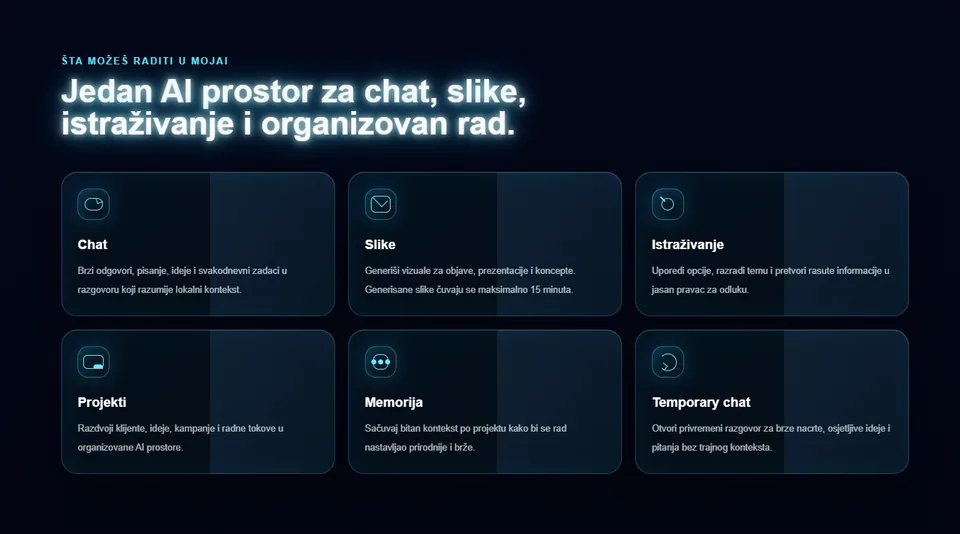 Secondary landing page screen inferred from filename
Secondary landing page screen inferred from filename
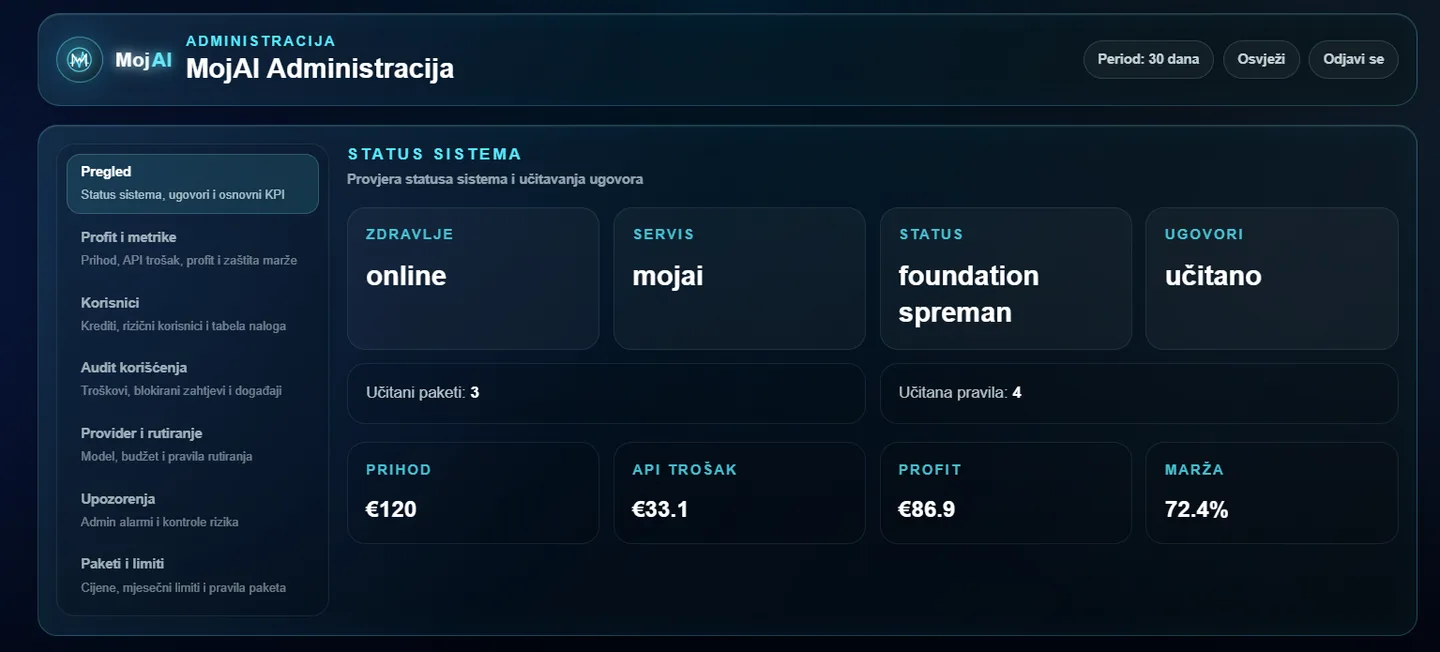 User dashboard screen inferred from filename
User dashboard screen inferred from filename
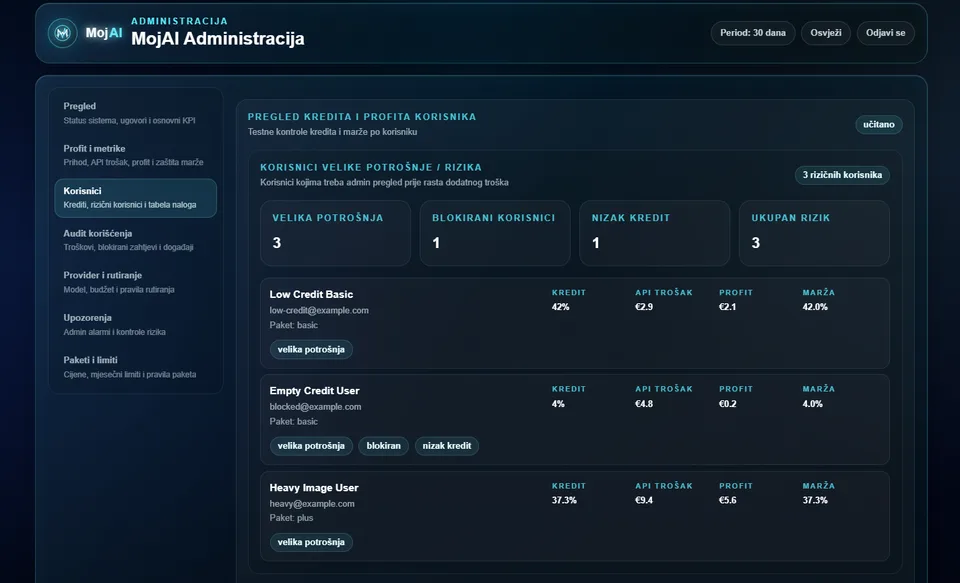 Second user dashboard screen inferred from filename
Second user dashboard screen inferred from filename
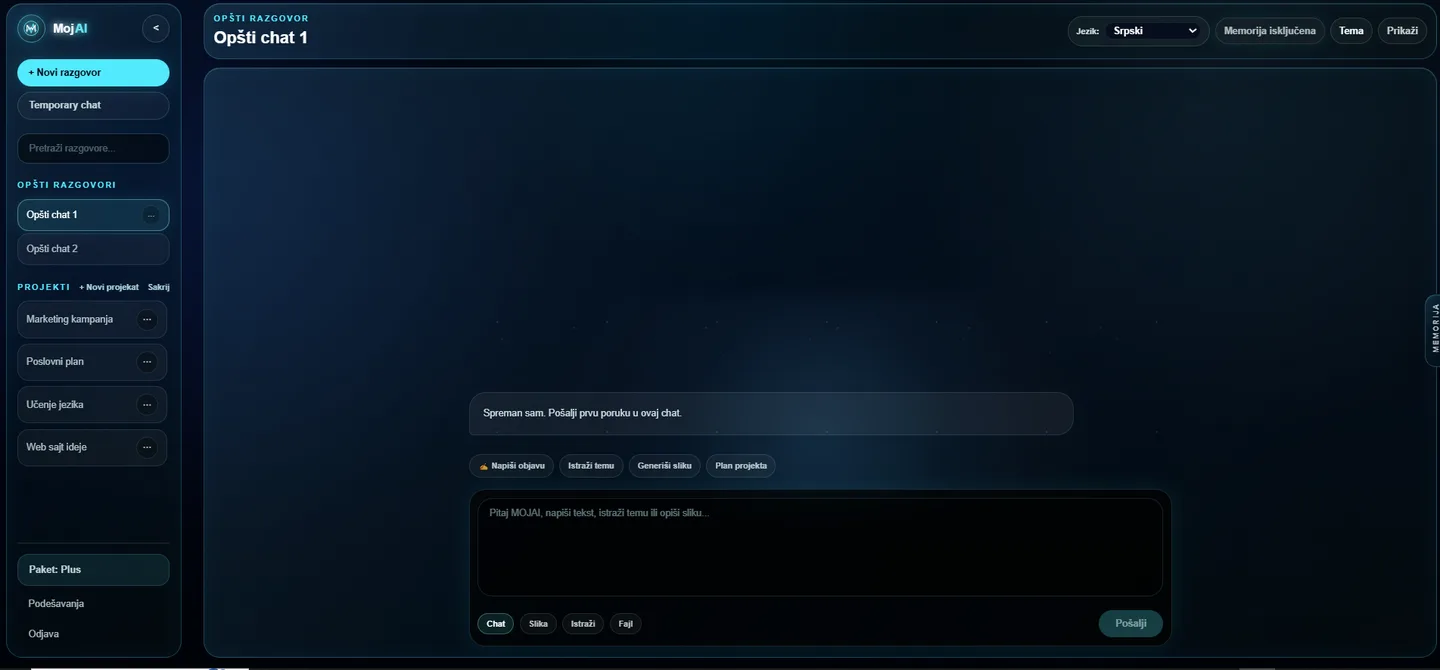 Additional user dashboard screen inferred from filename
Additional user dashboard screen inferred from filename
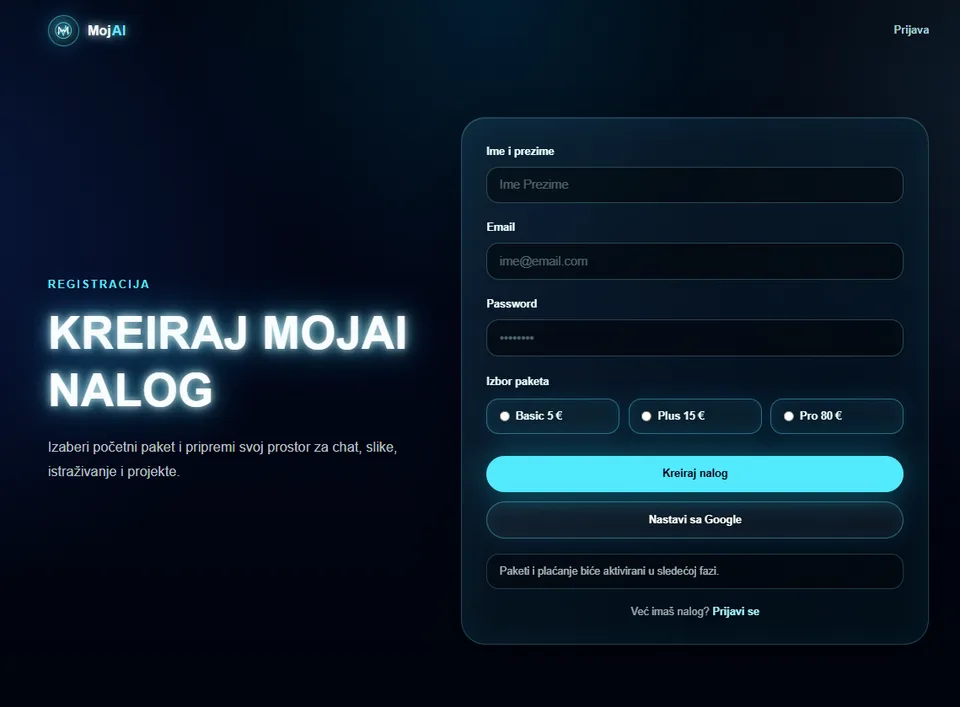 Registration screen inferred from filename
Registration screen inferred from filename
Video demos
Available for
Employment, custom software, software products and technical partnerships
Available for employment opportunities, remote international roles, custom software development, early product development, internal business systems, Python and SQL reporting solutions, Android and desktop development, product licensing, technical partnerships and individuals with viable product ideas.